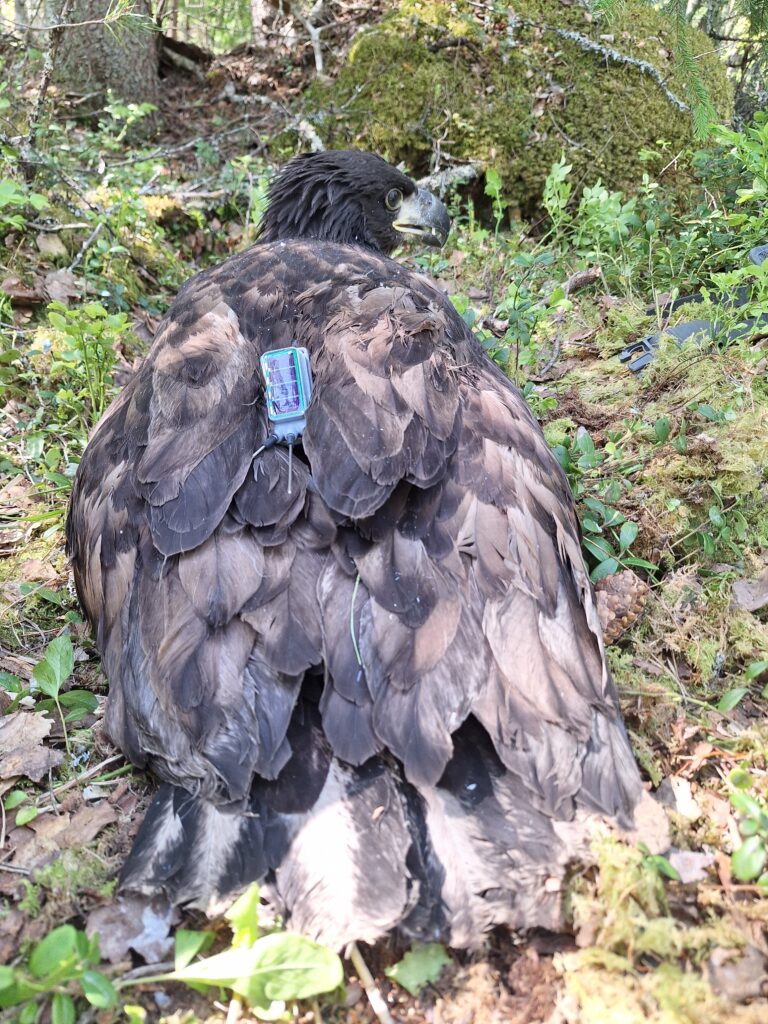
With the shortening days and reduced solar charging, we have adjusted our tracking schedule to conserve energy and protect the devices. This varies between individuals and will be apparent through lower GPS frequencies on the map page.
For birds with lower battery levels, transmitters now send just one GPS position per day. However, they continue to record GPS and accelerometer data internally for as long as the battery voltage allows. Our aim is to retrieve this stored data in spring, once longer days and stronger sunlight allow the batteries to recharge and the transmitters to upload their backlog from autumn and winter.
Eagles with strong battery levels still record one GPS position per daylight hour and will also transmit data through the mobile network, but we have paused the highest-frequency tracking modes to reduce power consumption.
Careful battery management is essential under these challenging, light-limited conditions, and hopefully helps ensure we can track the birds continuously across seasons without risking transmitter failure.
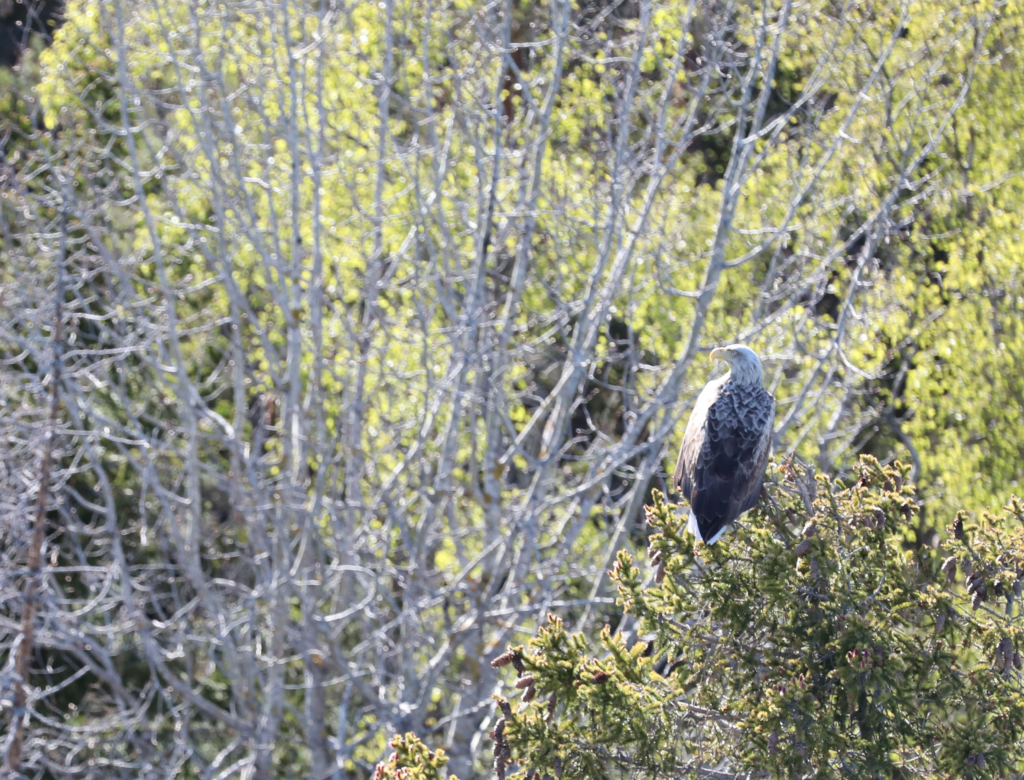
In the meantime, most juveniles have dispersed, but birds from islands in the outer archipelago (Vida, Ulappa, Holme and Kobbe) still prefer staying on their parents’ territory. They have made some excursions, but so far have always returned.
We lost signals from Pihka already in September due to poor battery management. We hope that a signal will return in spring. What we learned from this case is now helping us prevent the loss of more birds over winter.